New Patient Visit
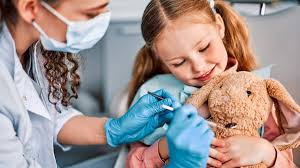
Your First Visit
Welcome to Simi Smiles Pediatric Dentistry! We’re so excited to meet you and be part of your child’s smile journey. Whether this is your child’s very first dental visit or you’re transferring from another office, our goal is to make your experience calm, positive, and reassuring, for both you and your child.
At Simi Smiles, we believe that great dental experiences start early. A gentle, fun, and supportive first visit helps build confidence and sets the foundation for a lifetime of healthy smiles.
What to Expect at Your Child’s First Appointment

Your child’s first visit is all about comfort, connection, and education. We take time to get to know your child, understand your concerns, and introduce dental care in a friendly, age-appropriate way. Whether you have questions about teething, thumb sucking, pacifiers, fluoride, or cavity prevention, we’re here to support your family with honest guidance and compassionate care. Every child is unique, and we always move at their pace.
A typical first visit may include:
-
A Warm Welcome & Paperwork
Our friendly front desk team will help you get checked in. To make your visit smoother, we encourage families to complete paperwork online before arriving.
-
Gentle Dental Cleaning
A soft, careful cleaning to remove plaque and polish the teeth.
-
Comprehensive Dental Exam
We evaluate your child’s teeth, gums, bite, and jaw growth to be sure everything is developing properly.
-
Digital X-Rays (If Needed)
When indicated, we use safe, low-radiation digital imaging to look for cavities or concerns that can’t be seen during the exam.
-
Oral Health Education
We’ll review brushing and flossing tips, discuss diet and habits, and answer all of your questions.
-
Personalized Care Plan
If treatment is recommended, we’ll explain every step clearly and make sure you feel confident moving forward.
Our goal is to keep visits positive, playful, and fear-free!
How to Prepare for Your Visit
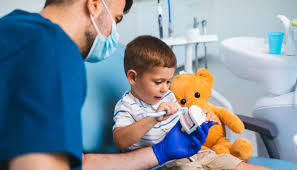
A little preparation can help your child feel more comfortable and confident:
- Talk about the dentist in a positive way (for example: “The dentist helps keep our teeth healthy and strong!”)
- Read books or watch age-appropriate videos about going to the dentist
- Bring a favorite toy or comfort item
- Schedule the appointment at a time when your child is usually well-rested
What Happens During a Routine Visit?
Routine dental visits are designed to be gentle, educational, and even fun. During a cleaning and exam, your child may receive:
- A Thorough Dental Cleaning
- A Comprehensive Oral Exam
- Digital X-Rays (As Needed)
- Preventive Treatments - Fluoride treatment is provided at each checkup visit unless otherwise declined.
Throughout the appointment, we explain each step in kid-friendly language and encourage your child to feel proud of taking care of their smile.
We can’t wait to welcome your family to Simi Smiles Pediatric Dentistry, where little smiles sparkle and kids shine!
What is a Knee-To-Knee Exam?
At Simi Smiles Pediatric Dentistry, a routine dental visit is designed to be gentle, fun, and reassuring, especially for our youngest patients. One of the ways we do this is by using a knee-to-knee exam.
A knee-to-knee exam is a special way for the dentist and parent to work together during your child’s check-up. The dentist and parent sit facing each other with their knees touching, creating a safe and supportive space for your child.
How It Works During a Routine Visit
- Your child starts by sitting on your lap, facing you, so they feel secure and comfortable.
- When it’s time to look at their teeth, your child gently leans back so their head rests on the dentist’s lap while their legs remain with you.
- This position allows the dentist to get a clear view of your child’s teeth while your child can still see and feel you nearby.
Treatment Visits

What Happens During a Treatment Visit?
At the time of your appointment, the parent/guardian may escort the patient to the treatment room. We can confirm the treatment plan for the day and answer any questions prior to treatment. Following that, we ask that the parent/guardian retreat to the lobby area until their child’s treatment has been completed. Our intentions are to establish a rapport with your child, to give them our full attention, to gain their confidence and help them overcome apprehension. Also, the doctor may be performing an invasive procedure, where minimal movement, conversation and distraction in and around the operative area are crucial for focus and optimal care of our patients. There may be circumstances that require a parent/guardian to be present. This will be done on a case-by-case basis. We thank you for your cooperation and support.
How to Prepare for Your Visit
A little preparation can help your child feel more comfortable and confident:
- Talk about the dentist in a positive way (for example: “The dentist helps keep our teeth healthy and strong!”)
- Read books or watch age-appropriate videos about going to the dentist
-
Use positive language when explaining treatment, we never want to mislead children in regards to the visit avoiding scary words can alleviate some dental fear. Some words to avoid with other options:
- Avoid: Shots, Needles, Pull Teeth, Drill
- Instead try:
- “Sleepy juice to make your tooth numb so you won’t feel anything”
- “Wiggle out a tooth”
- “Clean teeth with an electric toothbrush”
- Bring a favorite toy or comfort item
- Schedule the appointment at a time when your child is usually well-rested with any medications as instructed by the provider
- If your child is experiencing any cold- or flu-like symptoms, we kindly ask that you reschedule their appointment, preferably with more than 24 hours’ notice. When children aren’t feeling well, completing dental treatment may not be safe or comfortable for them or our team.
Behavior Management Techniques

Treatment visits may cause anxiety for little ones but there are several behavior management techniques that we can use to ease fear.
- Tell-Show-Do:
- We explain to the child what is to be done using simple terminology and repetition and then show the child what is done by demonstrating with instruments on a model, the dentist’s finger or the child’s finger. The procedure is then performed in the child’s mouth as described. Praise is used to reinforce cooperative behavior.
- Positive Reinforcement:
- This technique rewards the child who displays behavior which is desirable. Rewards include compliments, praise, or a prize.
- Distraction:
- Distraction is the technique of diverting the patient’s attention from what may be perceived as an unpleasant procedure. Distraction may be achieved by imagination, conversation, watching the tv or listening to music.
- Voice Control:
- The attention of a disruptive child is gained by changing the tone or increasing the volume of the dentist’s voice. The content of the conversation is less important than the abrupt or sudden nature of the command. Parents are reminded that if voice control is used on their child, the dentist, hygienist or assistant is not angry with their child, but is using a technique to gain their child’s attention.

Sedation Options
In certain cases, pharmacological behavior management may be recommended to help your child receive care comfortably. Simi Smiles offers nitrous oxide (laughing gas) and oral conscious sedation. The appropriate option is carefully determined based on your child’s age, medical history, and behavior.
Our goal is always to provide safe, compassionate care while helping your child develop a positive, confident relationship with dental visits.
Sedation Information

Before recommending sedation, our team will carefully review your child’s medical history and behavior to determine the safest, most effective option for their care.
If your child is experiencing any cold- or flu-like symptoms, we kindly ask that you reschedule their appointment, preferably with more than 24 hours’ notice. When children aren’t feeling well, completing dental treatment may not be safe or comfortable for them or our team.
Nitrous Oxide
A Safe & Gentle Way to Help Kids Relax at the Dentist
At Simi Smiles Pediatric Dentistry, your child’s comfort is our priority. That’s why we offer nitrous oxide, also known as laughing gas, as a safe and effective way to help children relax during dental visits.
Whether your child feels nervous about treatment or simply needs a little help staying calm in the chair, nitrous oxide can make their experience more pleasant, and even fun!
What Is Nitrous Oxide?
Nitrous oxide is a mild sedative that’s mixed with oxygen and inhaled through a small mask placed over your child’s nose. It takes effect quickly, helping your child feel relaxed, calm, and more at ease while staying awake and fully responsive throughout the procedure.
Most children describe the sensation as feeling “floaty” or giggly, which is why it’s commonly known as laughing gas.
When Is Nitrous Oxide Used?
Nitrous oxide is commonly used for:
- Children with mild to moderate dental anxiety
- Young or nervous patients who have trouble sitting still
- Children with strong gag reflexes
- Minor procedures such as fillings, stainless steel crowns, or extractions
- Patients with special healthcare needs who benefit from additional relaxation
Is Nitrous Oxide Safe?
Yes, nitrous oxide is one of the safest forms of sedation in pediatric dentistry. It has been used for decades and is endorsed by the American Academy of Pediatric Dentistry. The effects wear off quickly once the mask is removed, and your child can typically return to normal activities right after their visit.
What to Expect
- Your child breathes the gas through a mask placed over their nose.
- Within a few minutes, they’ll begin to feel calm and relaxed.
- We complete the procedure while your child remains comfortable and cooperative.
- After the gas is turned off, your child breathes oxygen for a few minutes to clear any remaining effects.
- Most kids bounce right back and are ready to continue their day!
Oral Conscious Sedation/Non-IV Conscious Sedation
At Simi Smiles Pediatric Dentistry, we understand that some children need extra support to feel comfortable during dental procedures. For those who may not be ideal candidates for nitrous oxide alone, but don’t require full general anesthesia, we offer non-IV conscious sedation as a safe and effective alternative.
This method helps children remain relaxed and cooperative, while still being awake and able to respond throughout their treatment.
What Is Oral Conscious Sedation?
Oral Conscious Sedation sedation gently calms your child without the use of intravenous (IV) drugs. This form of sedation is ideal for young children, those with mild to moderate dental anxiety, or patients who may have difficulty tolerating dental treatment while fully awake.
Your child will remain conscious during the procedure but will feel drowsy and relaxed. The medication used at Simi Smiles also provides an amnestic effect where the patient typically forgets the procedure. This is beneficial to prevent lifelong dental trauma and maintain positive association with dental care!
Benefits of Oral Conscious Sedation
- Reduced Anxiety: Helps your child feel calm and safe during dental care.
- Better Cooperation: Makes it easier for your child to complete necessary treatments.
- Quick Recovery: Most children recover from the effects within a few hours.
- Safe and Monitored: Administered by experienced pediatric dental professionals under strict safety protocols.
When Is It Recommended?
We may recommend Oral Conscious Sedation for children who:
- Have moderate dental anxiety
- Are very young or unable to understand instructions
- Have a strong gag reflex
- Need extensive or multiple treatments in one visit
- Before recommending sedation, our team will carefully review your child’s medical history and determine the safest, most effective option for their care.
What to Expect
- Pre-Sedation Instructions: We’ll give you detailed guidance on what your child can eat or drink before the visit.
- During Treatment: Your child will be monitored closely throughout the procedure to ensure their safety and comfort.
- After Care: You’ll receive clear post-sedation instructions. Most children feel sleepy for a few hours and should rest at home for the remainder of the day.
- Your child’s safety and comfort are always our top priorities. If you think your child may benefit from Oral Conscious Sedation, contact us to schedule a consultation. We’ll walk you through every step to ensure you feel confident and informed.
Post Op Home Care

The following post-operative instructions are here to help your child stay comfortable and heal smoothly after their dental visit. Following these simple guidelines plays an important role in your child’s recovery and helps ensure the best possible outcome for their smile.
Every child and every treatment is a little different, so please be sure to review the instructions that apply to your child’s visit. Taking a few moments to follow these recommendations can help prevent discomfort and support healthy healing. If you ever have questions, concerns, or just need reassurance, don’t hesitate to call our office, we’re always happy to help and support your family every step of the way.
Summarized Home Care
See our General Post-Op Instructions then, for more info about a specific, procedure, pick one here:
After Local Anesthesia (Numbing)
Local anesthesia is commonly used to keep your child comfortable during dental treatment. While it’s very safe, the lips, cheeks, and tongue may remain numb for a few hours afterward.
What to Expect
- Numbness usually lasts 2–3 hours
- Your child may feel tingly or swollen, even though there is no swelling
- Younger children may be tempted to chew, suck, or bite the numb area
Important Care Tips
- Do not allow your child to bite, chew, rub, or scratch their lips, cheeks, or tongue while numb
- Avoid foods that require chewing until the numbness has completely worn off
- Supervise young children closely during this time
Safe Foods While Numb
If your child is hungry, offer soft, non-chew foods such as: Yogurt, Applesauce, Smoothies, Milkshakes, Pudding
Your child may return to a normal diet once the numbness has fully resolved.
Watch for Lip or Cheek Biting
Accidental biting of the lip or cheek is the most common issue after anesthesia. This can cause soreness or swelling later in the day or the next day. If this happens:
- Apply a cold compress to the outside of the face
- Keep the area clean
- Call our office if you have concerns or notice significant swelling
Questions?
If you have any questions or concerns after your child’s appointment, please don’t hesitate to contact our office. We’re always happy to help keep your child comfortable and smiling,
After Tooth Extractions
Your child may feel a little sore after a tooth extraction. This is normal, and following these instructions will help promote healing and keep your child comfortable.
Bleeding
- Mild bleeding or oozing is normal for the first few hours
- Have your child bite gently on gauze for 20–30 minutes
- If bleeding continues, apply firm pressure with clean gauze and keep your child calm and resting
Numbness & Lip Biting
- Numbness may last 2–3 hours, closely supervise your child during this time
- Do not allow them to bite, chew, or play with their lips, cheeks, or tongue
Eating & Drinking
- No eating until numbness has completely worn off
- Start with soft foods such as:
- Yogurt, Applesauce, Mashed potatoes, Scrambled eggs, white bread
- Avoid hot foods, crunchy snacks, and sticky foods for 24 hours
- Encourage drinking water
- No straws for 24 hours, as suction can disturb healing
Pain & Swelling
- Mild discomfort is expected
- Use children’s acetaminophen or ibuprofen as directed
- DO NOT exceed recommended doses, stagger medications as directed
- DO NOT use aspirin
- A cold compress on the outside of the cheek can help reduce swelling (10 minutes on, 10 minutes off)
- Swelling may peak within the first 24–48 hours
Oral Hygiene
- Do not brush the night of the extraction but continue brushing and flossing after the first 24 hours following treatment
- Do not rinse, spit forcefully, or probe the area on the day of the extraction
- After 24 hours, gentle saltwater rinses may be started
Activity
- Keep activity light for the remainder of the day
- Avoid running, jumping, or sports for 24 hours
When to Call Our Office
Please contact us if your child experiences:
- Bleeding that does not stop with pressure
- Increasing pain after the first few days
- Fever or signs of infection
- Significant swelling or concerns about healing (be aware that some post operative cheek/lip swelling may be due to child biting tissue while numb)
Questions?
If you have any questions or concerns after your child’s extraction, our team is always happy to help. Your child’s comfort and healing are our top priorities
After Dental Fillings
Dental fillings help restore your child’s tooth and protect it from further decay. Most children return to normal activities the same day, but a few simple steps will help ensure comfort and proper healing.
Numbness (if Local Anesthesia was used)
- Your child’s lips, cheeks, or tongue may remain numb for 2–3 hours
- Closely supervise your child during this time
- Do not allow biting, chewing, or playing with the numb area to prevent accidental injury
Eating & Drinking
- Do not eat until numbness has completely worn off
Sensitivity
- Mild sensitivity to temperature or pressure is normal and may last a few days
- Sensitivity should gradually improve
- Contact our office if sensitivity worsens or lasts longer than a week
Oral Hygiene
- Resume normal brushing and flossing the same day
- Brush gently around the treated area
- Good oral hygiene helps fillings last longer
What’s Normal
- Temporary numbness
- Mild soreness in the treated area
- Slight sensitivity to hot or cold
When to Call Our Office
Please contact us if your child experiences:
- Pain that does not improve after a few days
- A filling that feels rough, high, or loose
- Continued and increased sensitivity beyond one week
Questions?
If you have any questions after your child’s filling appointment, our team is always here to help keep your child comfortable and smiling.
After Stainless Steel Crowns
Stainless steel crowns are strong, durable restorations commonly used to protect baby teeth after extensive decay. Your child can return to normal activities quickly, but the following instructions will help ensure comfort and long-term success.
Numbness
- Lips, cheeks, or tongue may be numb for 2–3 hours
- Closely supervise your child during this time
- Do not allow biting, chewing, or playing with the numb area
Eating & Drinking
- Do not eat until numbness has completely worn off
- Start with soft foods once feeling returns
- Avoid sticky or chewy foods such as gummies, caramels, chewing gum
- Encourage your child to chew on the opposite side if possible
Crown Feel
- The crown may feel “tall” or different at first, this is normal
- Your child’s bite will adjust naturally within a few days
- If the bite still feels uncomfortable after one week, please contact our office
Oral Hygiene
- Resume normal brushing and flossing the same day
- Brush carefully around the crown and gumline
- Good oral hygiene is important to prevent decay around the edges of the crown
Sensitivity & Soreness
- Mild soreness or gum tenderness around the crown is normal
- Sensitivity should improve over a few days
- Children’s acetaminophen or ibuprofen may be used as directed if needed
When to Call Our Office
Please contact us if:
- The crown feels loose or comes off
- Your child has persistent pain or swelling
- The bite feels uncomfortable after several days
- You notice redness or irritation that does not improve
Questions?
If you have any questions after your child’s crown appointment, our team is always happy to help. We’re here to keep little smiles healthy and strong.
After Space Maintainer Placement
A space maintainer helps keep the proper space open for your child’s permanent tooth to come in correctly. It may feel a little different at first, but most children adjust quickly.
Eating & Drinking
Avoid sticky, chewy, or hard foods such as gum, sticky candy, hard or crunchy snacks. These foods can loosen or break the space maintainer.
What to Expect
- The space maintainer may feel strange or bulky at first
- Mild soreness or pressure is normal for a few days
- Your child should not wiggle or play with the appliance using fingers or tongue
Oral Hygiene
- Continue brushing twice daily
- Brush carefully around the space maintainer
- Floss where possible
- Good oral hygiene helps prevent decay around the appliance
When to Call Our Office
Please contact us if:
- The space maintainer feels loose or comes out
- Your child has persistent pain or irritation
- The appliance breaks or bends
- You notice swelling or signs of infection
Questions?
If you have any questions after your child’s space maintainer appointment, our team is always here to help. We’re happy to support your child’s growing smile every step of the way.